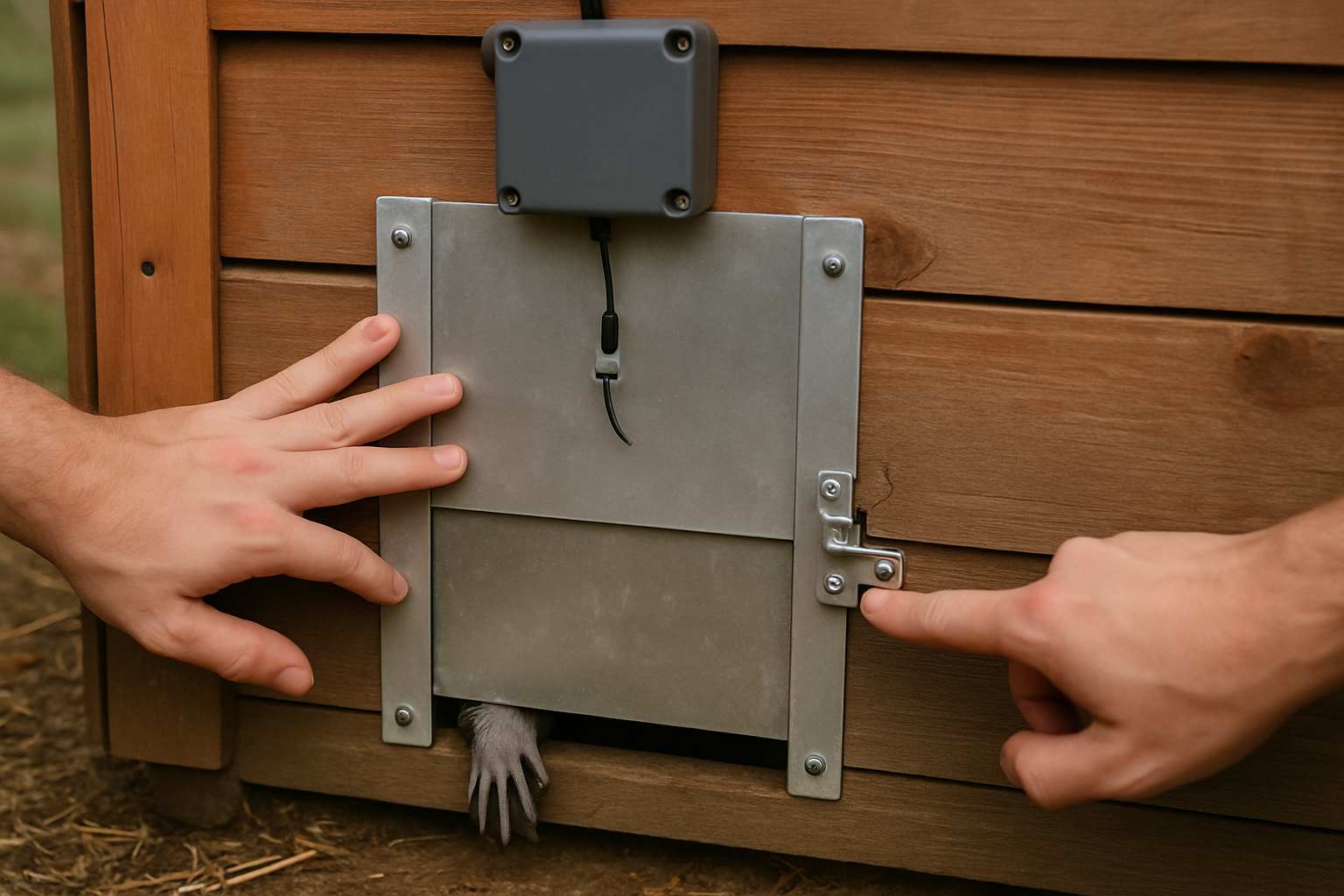
Backyard chicken keepers quickly realize that their feathered friends are a target for many predators. Among these, the raccoon stands out as a particularly cunning adversary.
Unlike other animals, raccoons are adept problem solvers with dexterous paws capable of manipulating latches and knobs. This makes them a formidable threat to standard coop doors.
When a raccoon encounters a typical automatic chicken coop door, it doesn't attack randomly. Instead, it feels along the edges, searching for a way to lift the door.
Without a mechanical locking mechanism, your flock is vulnerable. the engineering behind self-locking coop doors and why they are essential for protecting your backyard chickens.
🦾 1. The Engineering Flaw of the "Gravity Gate"
To appreciate the importance of a self-locking door, we must first understand the weaknesses of standard vertical coop doors, often called "gravity gates."
🔒 2. How Self-Locking Mechanisms Work
Most basic vertical automatic doors use a string-and-spindle lift system. A motor box above the door winds a cord to open the door and unwinds it to let gravity close it.
- Door Panel Weight: Typically 1.5 to 3 pounds.
- Raccoon Lifting Capacity: Up to 15 pounds.
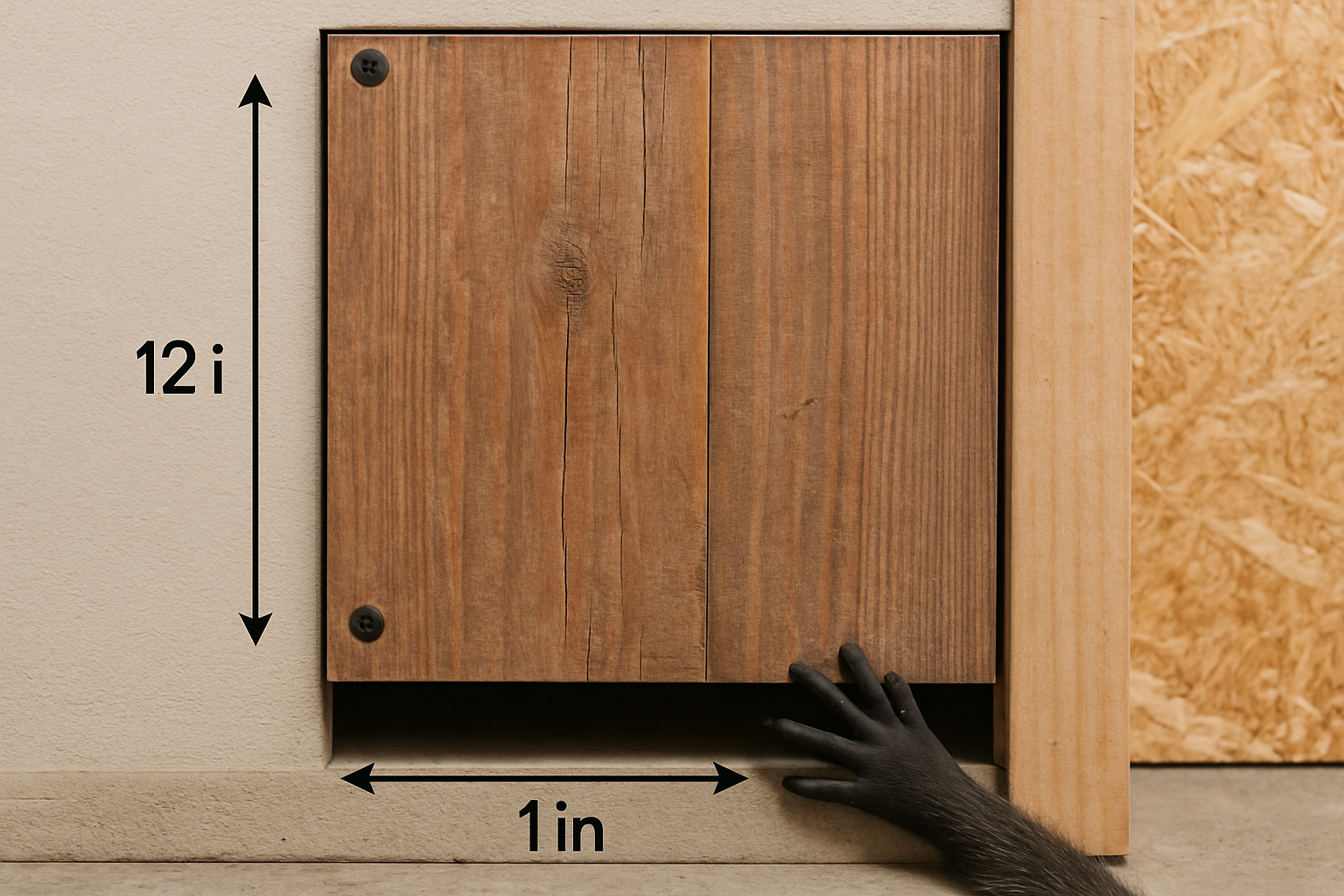
When the door closes, the cord slackens, leaving the door held down only by its weight. This is a critical flaw. A raccoon can easily lift the door by slipping its claws under the edge, exploiting the slack cord that offers no resistance.
Design A: The Gravity-Deployed Wing Lock
Self-locking doors eliminate the "gravity lift" issue by using locks that engage automatically when the door closes. Two primary designs achieve this:
Design B: Non-Back-Drivable Worm Drives
This design, used by brands like ChickenGuard, is reliable and effective.
- Descent: As the door slides down, locking wings remain retracted.
- Touchdown: The door stops upon reaching the threshold.
- Deploy: The slack cord allows the central hub to drop, pushing the wings outward.
- Lock: The wings slide into slots in the side tracks, anchoring the door.
This mechanism transfers any upward force into the frame, preventing raccoons from lifting the door.
⚔️ 3. Physical Protection: Metal Armor vs. Flexible Plastics
Ultra-premium doors, like those from Coop Tender, use a worm drive system.
- Worm Drive: A screw-shaped gear turns a spur gear to move the door.
- Security: Worm gears can't be back-driven, making the door impossible to pry open.
This design ensures that even large predators cannot force the door open.
📊 4. Comparing Locking Methods on Major Coop Door Brands
While locks prevent lifting, the door's material determines its resistance to brute force attacks.
- UV-Stabilized Polycarbonate & ABS: These materials are impact-resistant and weather-proof but can flex. If not properly recessed, predators can bow the panel out of its track.
- Aircraft-Grade Aluminum: Used by brands like Run-Chicken, aluminum offers rigidity and durability. It resists chewing, rusting, and bowing under pressure.
🛠️ 5. How to Test and Verify Your Door's Locking Security
Here's a comparison of top automatic chicken coop door brands based on locking security and predator defense.
| Brand & Model | Lifting Mechanism | Locking Type | Raccoon Defense Rating | Best For |
|---|---|---|---|---|
| Coop Tender Premium | Solid Steel Worm Drive | Inherent Gear Lock | 🟢 10/10 (Absolute) | High-predator zones, severe winter climates, and heavy-duty coops. |
| ChickenGuard Pro Kit | External Cord / Spindle | Mechanical Wing Locks | 🟢 9/10 (Excellent) | Keepers wanting a highly custom programmable controller with physical deadbolts. |
| Run-Chicken Model T50 | Direct-Drive Motor Gear | Internal Motor Brake | 🟡 8/10 (Very Good) | Minimalist setups with flat walls; relies on holding torque rather than mechanical locks. |
| Chickcozy Solar Door | Horizontal Roll-Up | Closed Scroll Assembly | 🟡 7/10 (Good) | Compact coops with zero vertical clearance; eliminates the bottom lifting leverage point entirely. |
| Generic Gravity Doors | Gravity Drop String-Lift | None | 🔴 2/10 (Unsafe) | Not recommended for yards with active raccoon, fox, or weasel populations. |
🛠️ 5. How to Test and Verify Your Door's Locking Security
After installing your automatic door, it's important to ensure its security. Follow these steps to verify your lock's effectiveness:
- The "Manure Check" Calibration: Close the door manually and inspect the base. Ensure nothing obstructs the door from closing completely. Even a small gap can prevent locks from engaging.
- The Claw Lift Simulation: Use a flat tool to gently pry the door upward. If it lifts easily, your door is vulnerable. If the wings engage or the gears hold firm, your lock is secure.
- The Track Warp Inspection: Press the door's center inward. If it bows significantly, reinforce the frame to prevent track warping.
By investing in a self-locking door and performing regular checks, you can safeguard your flock from predators. This proactive approach ensures your chickens remain safe every night.
🧩 6. Component-Level Diagnostics for Self-Locking Doors
Understanding the individual components of self-locking coop doors can help diagnose issues and ensure optimal performance. Each part plays a important role in the door's functionality and security.
Motor and Gearbox
The motor and gearbox are the heart of the automatic door system. Regularly inspect these components for signs of wear or damage. Ensure that the motor operates smoothly without unusual noises, which could indicate gear misalignment or wear.
- Maintenance Tip: Lubricate moving parts as recommended by the manufacturer to prevent friction and wear.
Locking Mechanism
The locking mechanism, whether wing locks or worm drives, must function flawlessly to secure the door. Check for debris or obstructions that could impede the locking action.
- Field Check: Manually activate the locking mechanism to ensure it engages and disengages smoothly.
Door Tracks and Panels
The tracks guide the door's movement, while the panels provide the physical barrier. Inspect tracks for warping or debris that could hinder door movement. Ensure panels are free from cracks or damage that could compromise security.
- Material Consideration: Opt for tracks made from durable materials like aluminum to prevent warping.
🌍 7. Environmental Edge Cases and Their Impact
Environmental factors can significantly affect the performance of automatic coop doors. Understanding these variables can help in selecting the right door and maintaining its functionality.
Temperature Extremes
Extreme cold can cause materials to contract, potentially affecting the door's movement and locking mechanism. Conversely, high temperatures can lead to expansion, impacting the fit of components.
- Recommendation: Choose materials like aluminum that have minimal thermal expansion and contraction properties.
Humidity and Moisture
High humidity can lead to rust and corrosion, particularly in metal components. Moisture can also cause wooden parts to swell, affecting the door's operation.
- Preventive Measure: Use rust-resistant materials and apply protective coatings to metal parts.
Wind and Storm Conditions
Strong winds can exert pressure on the door, testing its locking mechanism and structural integrity. Ensure that the door is securely anchored and that the locking system can withstand such forces.
- Tactical Advice: Install windbreaks or barriers to shield the coop from direct wind exposure.
🔍 8. Specific Tactical Recommendations for Installation
Proper installation is important for the effective operation of self-locking coop doors. Follow these tactical recommendations to ensure a secure and functional setup.
Optimal Placement
Position the door in a location that minimizes exposure to direct weather elements and potential predator access points. Ensure the surrounding area is clear of obstacles that could interfere with the door's operation.
- Tip: Install the door on a flat, stable surface to prevent misalignment.
Electrical and Solar Considerations
If using an electrically powered door, ensure a reliable power source. For solar-powered models, position the solar panel to receive maximum sunlight throughout the day.
- Installation Note: Regularly clean solar panels to maintain efficiency.
Routine Maintenance Schedule
Establish a regular maintenance schedule to inspect and service the door. This includes checking the locking mechanism, lubricating moving parts, and ensuring the door tracks are clear.
- Proactive Approach: Document maintenance activities and any issues encountered to track the door's performance over time.
By addressing these component-level diagnostics, environmental considerations, and installation tactics, you can enhance the security and reliability of your self-locking coop door, ensuring your flock remains protected from predators.