Selecting the right automatic chicken coop door has evolved beyond the simple motorized contraptions of the past. Traditional vertical doors, while once popular, have a significant flaw: predators like raccoons can easily lift them. Additionally, these doors require ample vertical space, which many modern coops lack.
Horizontal doors have emerged as a superior alternative, eliminating the leverage point predators exploit. They are also ideal for compact coops.
Two brands, Omlet and Chickcozy, lead this market with distinct designs and features. This article explores their mechanics, weather resilience, predator defenses, and usability to help you choose the best fit for your coop.
Understanding the Mechanics: Sliding vs. Retracting
The primary difference between Omlet and Chickcozy lies in their movement mechanisms. Each brand employs a unique engineering approach to achieve horizontal motion.
Omlet's Sliding Gate
Omlet's Smart Autodoor operates like a robust security gate. It features a single, solid plastic panel that slides horizontally along a track. This movement is powered by an internal gear system that engages with the track's teeth, smoothly moving the door to the side.
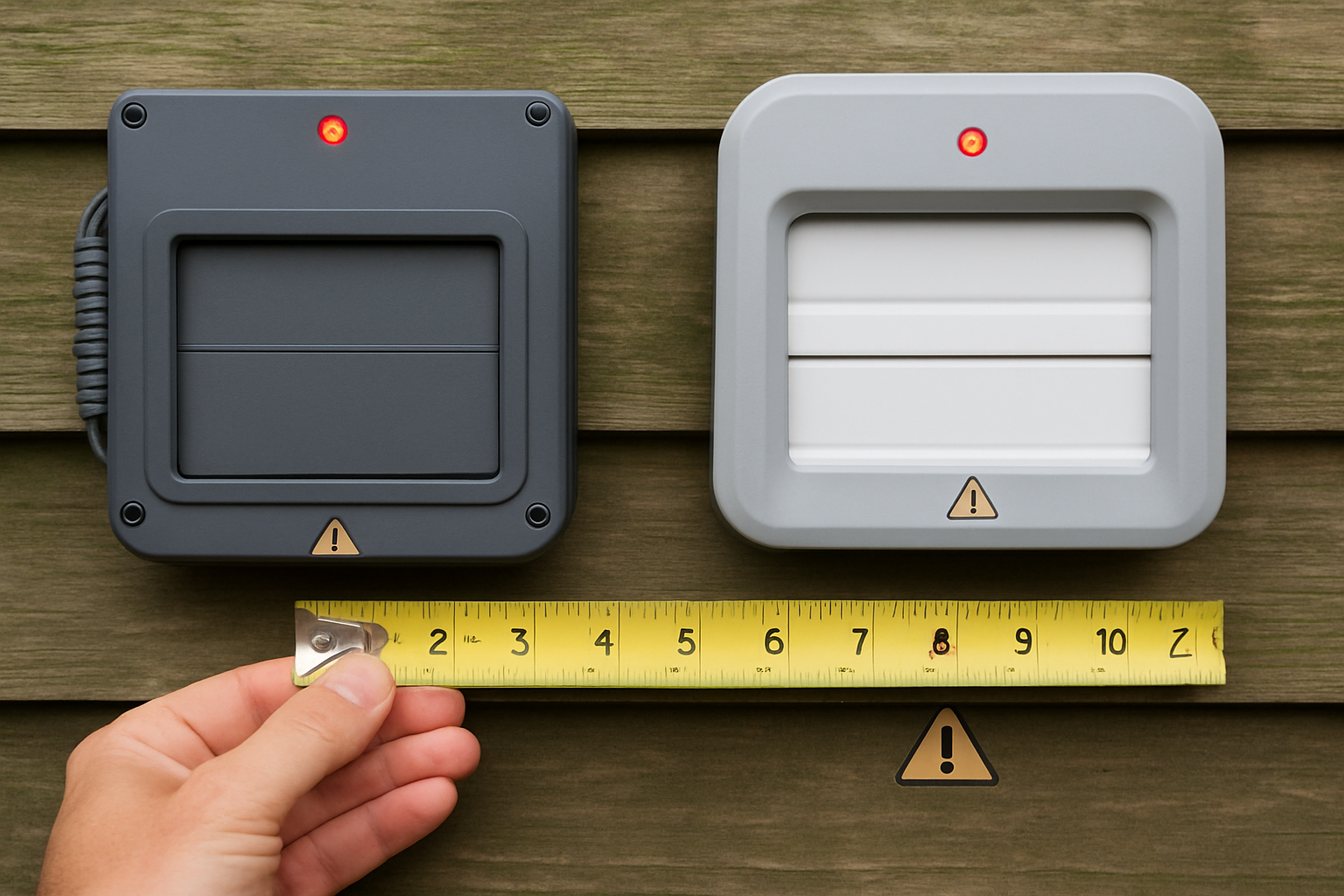
- Space Requirement: The sliding design demands additional horizontal space next to the coop opening. For a 10-inch door, you need at least 11-12 inches of unobstructed wall space for the door to slide open.
Chickcozy's Retracting Scroll
Chickcozy's design draws inspiration from security shutters. It uses a dual-leaf, center-parting mechanism where the door leaves roll outward and wrap around internal spools.
- Space Efficiency: This design requires no extra horizontal space, making it ideal for tight corners or compact coops. If the Chickcozy housing fits over your coop opening, you're set.
Weather Performance: Battling the Elements
For those in colder climates, winter poses a significant challenge for automated doors. Freezing temperatures can affect door operation and battery life.
Temperature Ratings
- Omlet: Operates down to -4°F (-20°C).
- Chickcozy: Handles temperatures as low as -22°F (-30°C) thanks to its dual-motor torque.
Ice and Frost Challenges
Both designs face unique challenges in icy conditions:
- Omlet: The sliding mechanism can jam if snow or ice accumulates in the track. Regular cleaning or lubrication is necessary during winter.
- Chickcozy: While its internal tracks are protected, ice can form on the door leaves, potentially causing jams.
Battery Performance in Cold
Battery efficiency drops in cold weather. Omlet uses 4 AA batteries, which lose capacity in freezing temperatures.
Lithium batteries are recommended for consistent performance. Chickcozy relies on a rechargeable lithium-ion battery with a solar panel.
In winter, ensure the solar panel is optimally positioned or use the USB port for charging.
Predator Defense: Keeping Your Flock Safe
A coop door's primary function is to protect chickens from predators. Both Omlet and Chickcozy excel in this area.
Gear-Lock Security
Both doors eliminate the risk of predators lifting them. Their horizontal operation and internal gears prevent back-driving, ensuring the doors remain locked unless the motor is engaged.
Material Durability
- Omlet: Made from dense, heavy plastic, offering rigidity and resistance to large predators.
- Chickcozy: Uses weather-resistant ABS plastic. While the door leaves are flexible, they are securely recessed, preventing predators from gaining a hold.
Smart Features and Usability
Daily interaction with the coop door is crucial for convenience and peace of mind.
Omlet's Smart Integration
Omlet offers a connected experience with its app, allowing remote monitoring and alerts. It also supports coop light integration and traditional programming modes.
Chickcozy's Local Control
Chickcozy focuses on simplicity with an LCD screen for direct control. It allows manual adjustments for light sensitivity and easy programming without internet connectivity.
Safety Features: Protecting Your Chickens
Both brands prioritize safety to prevent injuries to chickens.
- Omlet: Detects resistance when closing and reverses if a chicken is in the way.
- Chickcozy: Features edge sensors that stop and reverse the door if contact is made with a chicken.
Comparison Matrix
| Feature | Omlet Smart Autodoor | Chickcozy Solar Door |
|---|---|---|
| Opening Mechanism | Horizontal Sliding Panel | Horizontal Retracting Scroll |
| Space Requirement | High (extra width needed) | Low (fits within frame) |
| Power Source | 4 x AA Batteries (Lithium recommended) | Integrated Lithium Battery + Solar |
| Backup Power | 12V Adapter Option | Micro-USB Charging Port |
| Operating Temp | -4°F (-20°C) | -22°F (-30°C) |
| Connectivity | Wi-Fi & App | Local LCD Screen |
| Unique Features | Optional Coop Light | Adjustable Lux Sensor |
Final Decision: Tailoring to Your Needs
Each door excels in specific scenarios. Consider your coop's layout, climate, and personal preferences when choosing.
Opt for Omlet if:
- You desire smartphone connectivity for remote monitoring.
- Your coop has ample flat wall space.
- You prefer a solid, rigid door for maximum predator protection.
Choose Chickcozy if:
- Your coop is compact or has limited space.
- You want a solar-powered, self-sustaining unit.
- You live in extremely cold climates and need robust winter performance.
both Omlet and Chickcozy offer excellent solutions for securing your chicken coop. Evaluate your specific needs and environment to make the best choice for your flock's safety and your peace of mind.