The Run-Chicken T50 automatic coop door uses a single LED light for diagnostics, signaling issues like low battery voltage and motor jams due to ice buildup. In freezing conditions, ice in the tracks increases motor resistance, triggering safety shutdowns. Understanding these signals and implementing preventive measures ensures reliable operation in cold weather.
Core Answer
The Run-Chicken T50 automatic coop door relies on a single LED light to communicate operational issues, such as low battery voltage and motor jams caused by ice buildup in the tracks. In freezing weather, ice increases motor resistance, triggering safety shutdowns to prevent gear damage. Understanding these signals and implementing preventive measures ensures reliable operation in cold weather.
Technical Specification Snapshot
| Feature | Specification |
|---|---|
| Diagnostic System | Single LED light |
| Light Codes | Flashing Red, Flashing Green/Red Alternating |
| Motor Protection | Internal current sensor |
| Ice Buildup Impact | Increases motor resistance, triggers safety stall |
| Recommended Batteries | Energizer Ultimate Lithiums |
| Lubrication Advice | 100% silicone spray or dry graphite lubricant |
How It Works
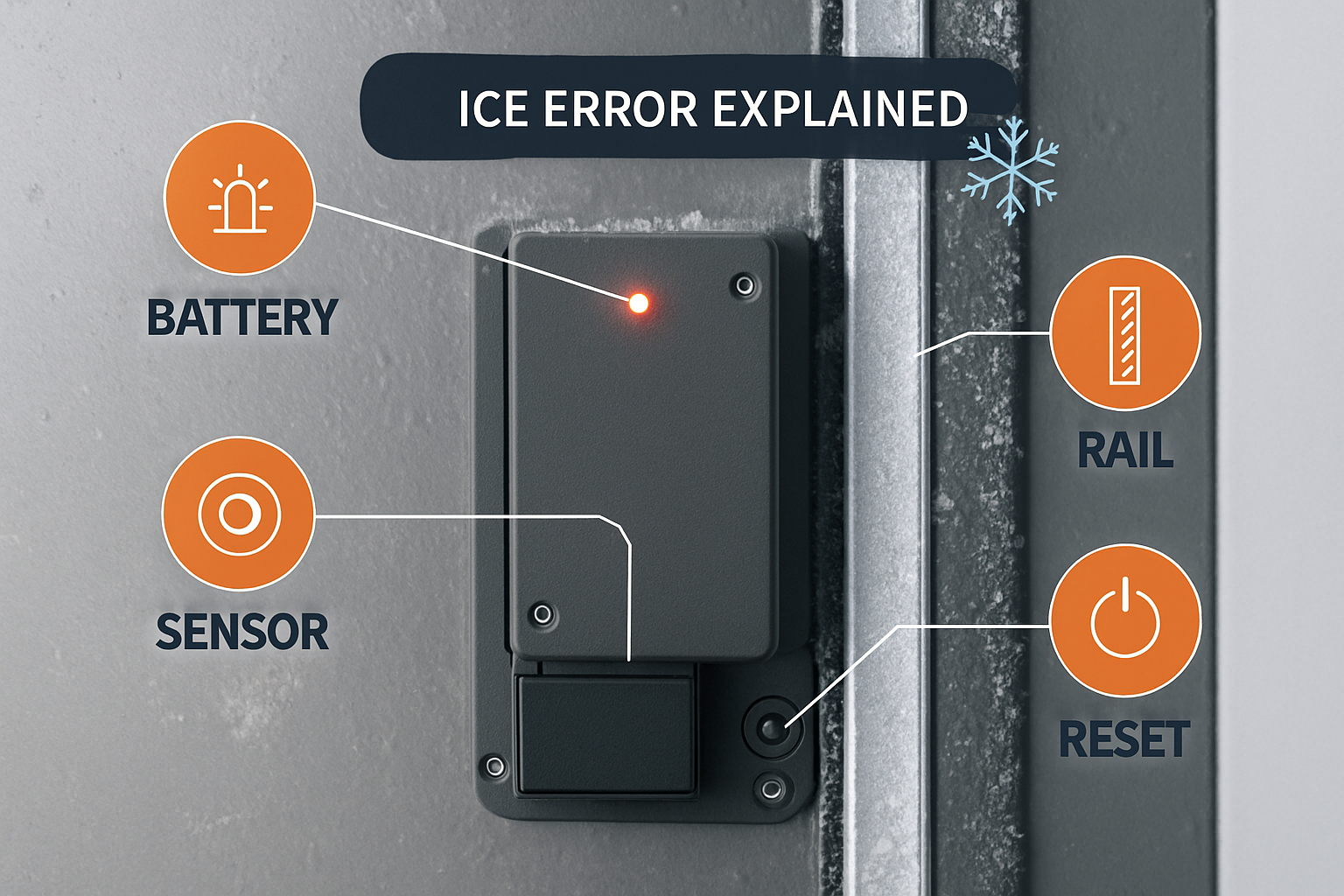
The Run-Chicken T50 uses an internal current sensor to monitor motor performance. When ice accumulates in the vertical aluminum frame, the motor requires increased amperage to move the gate. If the current exceeds the factory safety threshold, the firmware halts the cycle to prevent gear stripping, indicated by alternating green/red flashing lights.
Light Codes Explained
- Flashing Red: Indicates low battery voltage, exacerbated by cold temperatures.
- Flashing Green/Red Alternating: Signals a motor jam or obstruction, often due to ice in the tracks.
Practical Decision Framework
To maintain optimal performance of the Run-Chicken T50 in cold weather, follow these steps:
- Battery Management: Use Energizer Ultimate Lithium batteries to ensure consistent voltage in cold conditions.
- Track Maintenance: Regularly clear ice from the bottom sill and vertical tracks.
- Lubrication: Apply 100% silicone spray or dry graphite lubricant to the tracks. Avoid petroleum-based products like WD-40.
Battery Selection
- Alkaline Batteries: Voltage drops in cold, lowering motor stall threshold.
- Lithium Batteries: Maintain voltage in extreme temperatures, preventing unnecessary stalls.
Technical Disadvantages & Design Limitations
The Run-Chicken T50's reliance on a single LED for diagnostics can be limiting, as users must interpret light codes without additional context. Ice buildup in the tracks poses a significant challenge, requiring regular maintenance to prevent motor jams. Additionally, the absence of an LCD screen means users cannot access detailed error messages or system status.
Real-World Friction Inputs
- Ice Removal: Clearing packed ice from the bottom sill is labor-intensive.
- Battery Swapping: Frequent changes to lithium batteries can be costly.
- Lubrication Choices: Incorrect lubricants can freeze or attract dirt, worsening track conditions.
Operating Checklist
- Inspect Tracks: Check for ice and debris daily, especially after snowfall.
- Battery Check: Monitor battery voltage and replace with lithium options as needed.
- Lubricate Tracks: Apply silicone spray or dry graphite weekly to prevent ice adhesion.
- LED Monitoring: Regularly observe LED signals for early detection of issues.
Sub-Zero Reset Protocol
- Power Off: Remove the battery to ensure the device is powered down.
- Clear Tracks: Use a plastic scraper to remove ice from the tracks and bottom sill.
- Battery Replacement: Insert Energizer Ultimate Lithium batteries.
- Lubricate: Apply 100% silicone spray or dry graphite lubricant to tracks.
- Power On: Reinsert batteries and check LED signals for errors.
Weekly Maintenance Checklist
- Inspect Tracks: Remove ice and debris.
- Battery Check: Ensure lithium batteries are used.
- Lubricate Tracks: Apply silicone spray or dry graphite.
- Test Operation: Manually activate the gate to check for obstructions.
Final Tactical Recommendation
For reliable operation of the Run-Chicken T50 in freezing conditions, prioritize battery management by using lithium options, maintain clear tracks with regular ice removal, and apply appropriate lubricants. Monitor LED signals closely to address issues promptly and ensure the coop door functions smoothly throughout the winter.